
How Technology Entrepreneurs Are Building the Next Generation of Startups

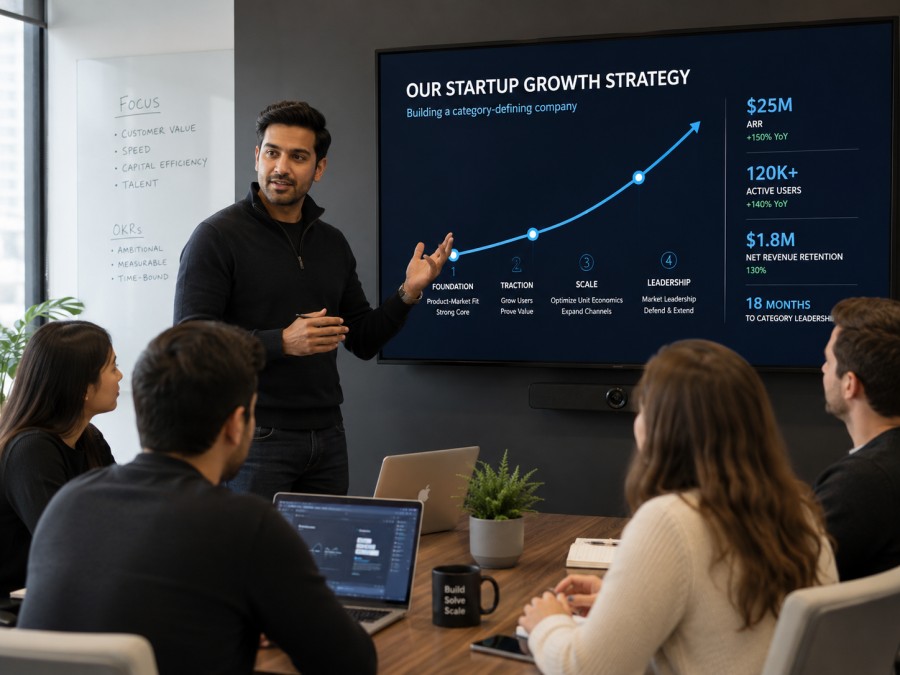
The startup ecosystem is undergoing a major transformation.
A decade ago, launching a technology company often required significant funding, large development teams, and years of product development. Today, a technology entrepreneur can build, launch, and scale a business faster than ever before.
Artificial intelligence, cloud computing, automation, and digital platforms have dramatically lowered barriers to entry, creating unprecedented opportunities for founders around the world.
As a result, technology entrepreneurs are becoming some of the most influential business leaders of the modern era.
Their ability to combine innovation with execution is shaping the next generation of startups and redefining how businesses are built.
What Is a Technology Entrepreneur?
A technology entrepreneur is a founder who uses technology to create products, services, or business models that solve real-world problems.
Unlike traditional business owners, technology entrepreneurs often leverage digital tools, software platforms, and emerging technologies to scale rapidly.
Examples include:
- SaaS founders
- AI startup creators
- FinTech innovators
- E-commerce technology leaders
- App developers
- Cybersecurity founders
Their businesses are typically designed to be scalable, efficient, and globally accessible.
Why Technology Entrepreneurs Are Thriving in 2026
Technology entrepreneurs are benefiting from an environment that supports innovation and rapid growth.
Several factors are contributing to this trend.
Lower Startup Costs
Cloud infrastructure, AI tools, and no-code platforms have significantly reduced the cost of launching a business.
Founders can now validate ideas and build products without massive upfront investments.
Global Market Access
Technology startups can serve customers worldwide from day one.
Digital platforms eliminate geographical barriers and create access to international markets.
Faster Product Development
Modern development tools allow entrepreneurs to launch products in weeks rather than years.
This speed helps startups adapt quickly to customer feedback and changing market conditions.
Artificial Intelligence Is Accelerating Startup Growth
Artificial intelligence has become one of the most powerful resources available to entrepreneurs.
Technology entrepreneurs are using AI to:
- Automate workflows
- Improve customer service
- Analyze business data
- Create content
- Enhance product development
- Optimize marketing campaigns
AI enables startups to operate more efficiently and compete with larger organizations.
However, successful founders understand that technology alone is not enough.
The greatest advantage comes from combining technology with strong leadership and customer-focused innovation.
Innovation Remains the Competitive Advantage
Technology changes rapidly, but innovation remains the foundation of startup success.
Technology entrepreneurs succeed because they identify opportunities that others overlook.
They focus on:
- Solving customer problems
- Improving outdated systems
- Creating new business models
- Enhancing user experiences
The most successful startups are often those that solve simple but meaningful challenges better than existing alternatives.
The Rise of Digital-First Business Models
Today’s technology entrepreneurs are increasingly building digital-first companies.
These businesses operate primarily through online platforms and digital ecosystems.
Popular models include:
Software as a Service (SaaS)
Subscription-based software continues to be one of the most scalable startup models.
Marketplaces
Digital platforms that connect buyers and sellers continue to experience strong growth.
Creator-Led Businesses
Entrepreneurs are building brands through content, communities, and digital products.
AI-Powered Solutions
Startups are leveraging AI to create innovative products and services across industries.
Leadership Lessons From Successful Technology Entrepreneurs
Building a startup requires more than technical expertise.
Technology entrepreneurs must also become effective leaders.
Vision Matters
Successful founders create a clear vision that inspires employees, investors, and customers.
Adaptability Creates Resilience
Markets evolve quickly, and startups must adapt to survive.
Customer Focus Drives Growth
Technology entrepreneurs who deeply understand customer needs often outperform competitors.
Strong Teams Build Great Companies
Behind every successful startup is a talented team working toward a shared mission.
Common Challenges Technology Entrepreneurs Face
Despite growing opportunities, entrepreneurship remains challenging.
Technology entrepreneurs often face:
- Intense competition
- Funding challenges
- Rapid technological change
- Talent acquisition difficulties
- Market uncertainty
The ability to navigate these challenges often determines long-term success.
Founders who remain adaptable and customer-focused are better positioned to overcome obstacles.
What Investors Look for in Technology Startups
Investors are becoming increasingly selective when evaluating startup opportunities.
Today, they often focus on:
- Strong market demand
- Scalable business models
- Product-market fit
- Sustainable growth
- Leadership quality
- Revenue potential
Technology entrepreneurs who demonstrate clear value creation and operational discipline are more likely to attract investment.
The Future of Technology Entrepreneurship
Technology entrepreneurship is expected to continue growing throughout the next decade.
Emerging opportunities include:
- Artificial Intelligence
- Financial Technology
- Cybersecurity
- Climate Technology
- Health Technology
- Enterprise Software
As technology evolves, new industries and business models will emerge.
The entrepreneurs who embrace innovation and continuous learning will be best positioned to lead the future.
Conclusion
Technology entrepreneurs are transforming the startup landscape in 2026.
By combining innovation, technology, leadership, and customer-centric thinking, they are building businesses capable of scaling faster than ever before.
While tools and technologies will continue evolving, the principles of successful entrepreneurship remain unchanged: solve meaningful problems, create value, and continuously adapt to change.
The next generation of startups will be built by founders who understand not only technology but also the people and markets they serve.