
Anticipating Consumer Shifts: How Business Leaders Can Stay Ahead of Changing Customer Behavior in 2026

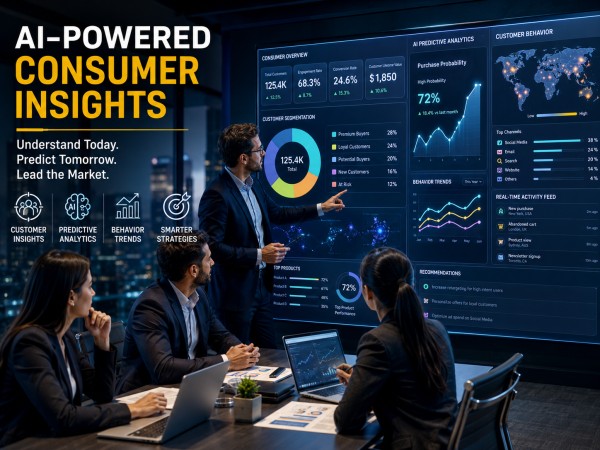
Consumer behavior has never evolved as rapidly as it is today.
Artificial intelligence, digital transformation, economic uncertainty, sustainability concerns, and rising expectations are fundamentally changing how people discover, evaluate, and purchase products and services. Businesses that once relied on historical buying patterns are finding that yesterday’s strategies are no longer enough.
Anticipating consumer shifts has become a competitive advantage rather than a marketing exercise. Organizations that understand emerging consumer behavior trends can innovate faster, build stronger customer relationships, and adapt before competitors react.
For CEOs, founders, CMOs, and business leaders, success in 2026 depends on combining customer insights, AI-driven analytics, and strategic leadership to meet evolving expectations.
This article explores the forces driving consumer change and provides practical strategies to help organizations stay ahead in an increasingly dynamic marketplace.
Why Consumer Behavior Is Changing Faster Than Ever
Modern consumers are more informed, connected, and empowered than at any other time.
Several factors are accelerating change:
- Artificial intelligence
- Digital commerce
- Economic uncertainty
- Social media influence
- Personalization technologies
- Sustainability awareness
- Global connectivity
Consumers now compare products instantly, research brands extensively, and expect seamless experiences across every digital and physical touchpoint.
Businesses that fail to adapt risk losing customer trust and market share.
What Are Consumer Shifts?
Consumer shifts refer to changes in purchasing behavior, preferences, expectations, and decision-making caused by technological, economic, cultural, and social developments.
These changes influence:
- Buying habits
- Brand preferences
- Spending priorities
- Customer loyalty
- Shopping channels
- Product expectations
Understanding these shifts allows organizations to respond proactively instead of reacting after market conditions have changed.
The Biggest Consumer Behavior Trends Shaping 2026
Several powerful trends are defining consumer behavior trends this year.
AI Is Transforming the Customer Journey
Artificial intelligence now influences nearly every stage of the purchasing process.
Consumers increasingly interact with:
- AI-powered product recommendations
- Intelligent chatbots
- Personalized search experiences
- Virtual shopping assistants
- Conversational commerce
Businesses are also using AI to deliver faster customer service, automate support, and personalize marketing campaigns.
As AI becomes more sophisticated, consumers expect businesses to anticipate their needs rather than simply respond to them.
Consumers Are More Value-Conscious
Although inflation has eased in many regions, purchasing decisions remain highly intentional.
Today’s consumers seek:
- Higher quality
- Transparent pricing
- Long-term value
- Reliable brands
- Better customer experiences
Price remains important, but value increasingly determines purchasing decisions.
Companies that clearly communicate benefits—not just discounts—are more likely to earn customer loyalty.
Personalization Has Become an Expectation
Modern consumers expect businesses to understand their preferences.
Generic marketing campaigns are becoming less effective as customers increasingly respond to tailored experiences.
Successful organizations use customer data responsibly to deliver:
- Personalized recommendations
- Relevant content
- Customized offers
- Individualized communication
- Omnichannel experiences
Personalization improves engagement while strengthening long-term relationships.
Trust and Authenticity Drive Brand Loyalty
Consumers have become more selective about the brands they support.
Authenticity now influences purchasing decisions as much as product quality.
Customers increasingly value companies that demonstrate:
- Transparency
- Ethical business practices
- Honest communication
- Reliable customer service
- Social responsibility
Trust has become one of the strongest competitive advantages in today’s marketplace.
Organizations that consistently deliver on their promises build stronger customer loyalty over time.
The Experience Economy Continues to Expand
Products alone are no longer enough.
Consumers increasingly remember how businesses make them feel.
Leading companies differentiate themselves by creating memorable customer experiences through:
- Exceptional service
- Community engagement
- Interactive shopping
- Digital convenience
- Emotional brand storytelling
Experience-driven businesses often achieve higher customer retention and stronger brand advocacy.
AI and the Evolution of Customer Expectations
Artificial intelligence is redefining what consumers expect from businesses.
Today’s customers anticipate:
- Instant responses
- Personalized recommendations
- Accurate search results
- Faster deliveries
- Intelligent customer support
Businesses using AI responsibly can improve operational efficiency while delivering better customer experiences.
However, organizations must balance automation with genuine human interaction.
Consumers still value empathy, authenticity, and personalized service that goes beyond algorithms.
Why Personalization Is Essential for Modern Businesses
Personalization has evolved from a competitive advantage into a business necessity.
Companies that understand customer preferences create more meaningful experiences across every touchpoint.
Effective personalization includes:
Product Recommendations
Suggesting relevant products based on customer interests.
Personalized Marketing
Delivering content aligned with customer behavior.
Omnichannel Experiences
Providing consistency across websites, mobile apps, stores, and customer support.
Customer Segmentation
Understanding different customer groups to improve communication.
Businesses that personalize responsibly often experience stronger engagement and higher conversion rates.
How Economic Conditions Influence Consumer Spending
Economic uncertainty continues to shape purchasing behavior.
Consumers are becoming increasingly thoughtful about spending decisions.
Common purchasing priorities include:
- Practical value
- Financial security
- Product durability
- Flexible payment options
- Trusted brands
Businesses should focus on demonstrating measurable value rather than relying solely on promotional pricing.
Long-term customer relationships are built through consistency and reliability.
Predictive Analytics Helps Businesses Stay Ahead
One of the most effective ways of anticipating consumer shifts is through predictive analytics.
Modern organizations analyze customer data to identify emerging trends before they become mainstream.
Predictive analytics supports:
- Demand forecasting
- Inventory planning
- Marketing optimization
- Customer segmentation
- Product innovation
- Sales forecasting
Combined with artificial intelligence, predictive analytics enables businesses to make faster and more informed strategic decisions.
Customer Insights Are the Foundation of Better Strategy
Successful organizations continuously listen to customers.
Valuable consumer insights come from:
- Customer surveys
- Online reviews
- Purchase history
- Website analytics
- Social listening
- Customer support interactions
Rather than relying on assumptions, businesses should build strategies based on measurable customer behavior.
Data-driven decision-making reduces uncertainty while improving customer satisfaction.
Actionable Strategies for Business Leaders
Leaders preparing for the future should focus on several priorities.
Invest in AI Responsibly
Use AI to improve efficiency while maintaining transparency and human oversight.
Build a Customer-Centric Culture
Every department should prioritize customer needs and long-term relationships.
Strengthen Data Capabilities
Collect meaningful customer insights while respecting privacy and ethical data practices.
Focus on Experience
Compete through exceptional customer experiences rather than price alone.
Continuously Monitor Consumer Trends
Consumer expectations evolve rapidly.
Businesses should regularly evaluate market changes and adapt strategies accordingly.
Organizations that embrace continuous learning are better prepared for future disruption.
The Future of Consumer Behavior
Consumer expectations will continue evolving as technology advances.
Key developments likely to shape the coming years include:
- Greater AI integration
- Hyper-personalized experiences
- Predictive customer engagement
- Sustainable purchasing decisions
- Voice and conversational commerce
- Increased digital trust requirements
- Smarter consumer analytics
The businesses that thrive will be those capable of anticipating change rather than reacting to it.
Adaptability will remain one of the most valuable leadership capabilities.
Conclusion
Anticipating consumer shifts is no longer optional for organizations that want to remain competitive.
Artificial intelligence, personalization, predictive analytics, and changing consumer expectations are reshaping every stage of the customer journey. At the same time, trust, authenticity, and exceptional experiences have become critical drivers of long-term brand loyalty.
Business leaders who invest in customer insights, embrace responsible AI, strengthen data-driven decision-making, and build customer-centric cultures will be better positioned to navigate future market changes.
In 2026 and beyond, the companies that succeed will not simply react to changing consumer behavior—they will anticipate it, innovate ahead of it, and create lasting value for customers.