
Why VPN Technologies Are Becoming Essential for Modern Businesses

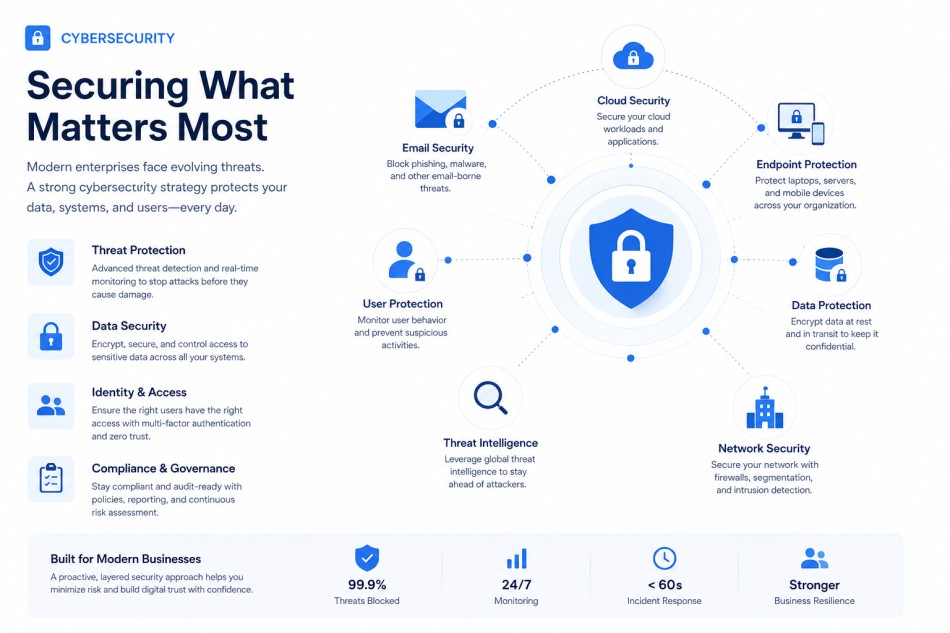
The modern workplace has changed dramatically.
Remote work, cloud computing, digital collaboration, and global business operations have created unprecedented opportunities for organizations. However, they have also introduced new cybersecurity challenges.
As employees access company systems from multiple locations and devices, businesses must ensure sensitive information remains secure.
This is where VPN technologies have become increasingly important.
Virtual Private Networks (VPNs) help organizations protect data, secure communications, and maintain privacy in an increasingly connected world.
In 2026, VPN technologies are no longer viewed as optional cybersecurity tools. They are becoming a critical component of modern business infrastructure.
What Are VPN Technologies?
VPN technologies create secure, encrypted connections between users and digital networks.
A VPN acts as a protective tunnel that safeguards data while it travels across the internet.
Instead of transmitting information openly, VPNs encrypt communications, making it significantly more difficult for unauthorized individuals to intercept sensitive data.
Businesses use VPN technologies to:
- Secure remote access
- Protect company information
- Enhance privacy
- Reduce cybersecurity risks
- Enable secure global operations
As cyber threats continue to evolve, VPNs remain one of the most effective tools for protecting digital assets.
Why VPN Technologies Matter in 2026
Organizations today operate in a highly digital environment.
Employees work from home, travel frequently, and access business systems from multiple devices.
This flexibility increases productivity but also creates security vulnerabilities.
VPN technologies help businesses address these challenges by:
- Encrypting sensitive data
- Protecting remote workers
- Securing public network access
- Preventing unauthorized access
- Supporting regulatory compliance
As digital transformation accelerates, secure connectivity has become a business necessity.
VPN Technologies and Remote Work Security
Remote work continues to be a major part of modern business operations.
However, home networks and public Wi-Fi connections often lack enterprise-grade security.
VPN technologies allow remote employees to connect securely to company resources regardless of location.
Benefits for Remote Teams
- Secure access to internal systems
- Protection from cyber threats
- Encrypted communications
- Reduced risk of data breaches
- Improved employee flexibility
Organizations with distributed workforces increasingly rely on VPN solutions to maintain security and productivity.
Cybersecurity Threats Are Driving VPN Adoption
Cyberattacks are becoming more sophisticated and costly.
Businesses face threats such as:
- Data breaches
- Ransomware attacks
- Phishing attempts
- Identity theft
- Network intrusions
VPN technologies help reduce these risks by encrypting data and limiting exposure to potential threats.
While VPNs are not a complete cybersecurity solution, they provide an important layer of protection within a broader security strategy.
How VPN Technologies Protect Business Data
Data has become one of the most valuable assets for modern organizations.
Customer records, financial information, intellectual property, and confidential communications require strong protection.
VPN technologies enhance security through:
Encryption
Data is converted into secure formats that are difficult to access without authorization.
Secure Authentication
Only approved users can access protected systems and resources.
Private Communications
Sensitive business communications remain protected from unauthorized monitoring.
These capabilities help organizations reduce risk while maintaining operational efficiency.
VPN Technologies and Regulatory Compliance
Businesses must comply with growing data protection regulations.
Many industries require organizations to implement safeguards that protect customer and business information.
VPN technologies support compliance efforts by helping organizations:
- Protect sensitive data
- Strengthen access controls
- Improve security practices
- Reduce exposure to cyber risks
For regulated industries such as finance, healthcare, and technology, secure network access is particularly important.
Cloud Computing and VPN Technologies
Cloud adoption continues to grow across industries.
Organizations increasingly rely on cloud platforms to support operations, collaboration, and innovation.
VPN technologies play a key role in securing access to cloud environments.
Benefits include:
- Secure cloud connectivity
- Protected file transfers
- Enhanced user authentication
- Safer remote access
As businesses expand their cloud infrastructure, secure connections become even more critical.
Challenges Businesses Should Consider
Although VPN technologies provide significant benefits, organizations should also understand potential challenges.
Performance Considerations
Encryption can sometimes impact connection speeds.
User Management
Organizations must ensure employees follow security best practices.
Infrastructure Planning
VPN solutions should integrate effectively with broader cybersecurity strategies.
Selecting the right VPN technology requires careful evaluation of business needs and security requirements.
The Future of VPN Technologies
VPN technologies continue to evolve alongside cybersecurity threats and changing workplace models.
Future developments may include:
- AI-enhanced security monitoring
- Zero-trust network integration
- Advanced encryption standards
- Cloud-native VPN solutions
- Improved identity verification systems
As organizations become increasingly digital, secure connectivity will remain a strategic priority.
What Business Leaders Should Do Next
Business leaders should view VPN technologies as part of a comprehensive cybersecurity strategy.
Key priorities include:
Evaluate Current Security Infrastructure
Identify vulnerabilities and areas for improvement.
Support Remote Work Security
Ensure employees can access systems securely from any location.
Invest in Cybersecurity Training
Technology alone cannot prevent security incidents.
Adopt a Layered Security Approach
Combine VPN technologies with additional cybersecurity measures for stronger protection.
Organizations that prioritize security today will be better prepared for tomorrow’s digital challenges.
Conclusion
VPN technologies have become essential tools for modern businesses operating in a connected and increasingly complex digital environment.
From protecting remote workers and securing sensitive data to supporting compliance and cloud adoption, VPNs provide critical benefits for organizations of all sizes.
As cyber threats continue to evolve, businesses must prioritize secure connectivity and proactive cybersecurity measures.
Organizations that effectively leverage VPN technologies will be better positioned to protect their assets, maintain customer trust, and support sustainable growth in 2026 and beyond.